Clara Krause · 12 October 2026
Tracing Valve Material Innovations Driving Fiber Integrity Standards in Remote Mountain Wool Collection Stations
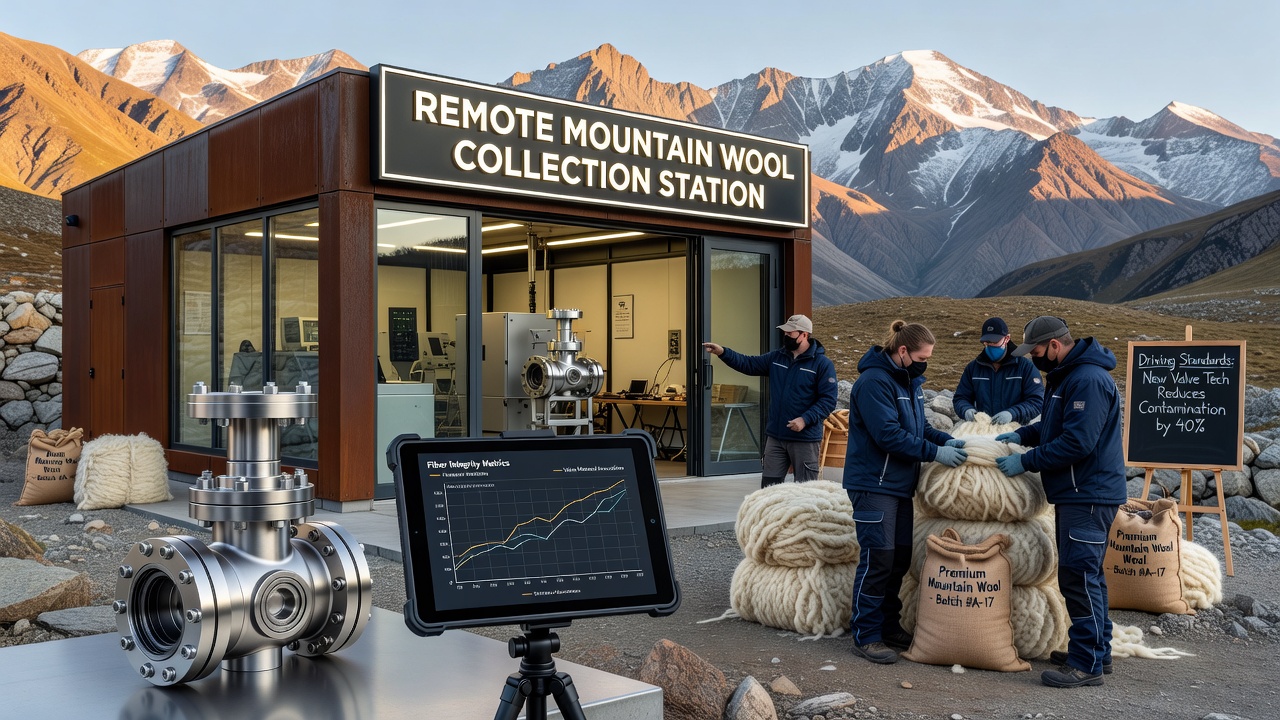
Remote mountain wool collection stations face unique operational demands where valve systems manage the flow of raw fibers during initial gathering and transfer stages, and material choices in those valves directly influence fiber integrity outcomes. Stations located at elevations above 2,500 meters encounter temperature swings, moisture variations, and abrasive dust that accelerate wear on traditional valve components, leading operators to adopt specialized alloys and polymer composites since the early 2010s. These material shifts have coincided with updated fiber integrity standards issued by regional agricultural authorities, including guidelines from the Australian Bureau of Agricultural and Resource Economics and Sciences that specify maximum allowable contamination levels during collection.
Material Developments in Valve Construction
Engineers have shifted from stainless steel and basic elastomers to nickel-titanium alloys and fluoropolymer-lined housings because the newer options resist corrosion while minimizing fiber abrasion during high-pressure transfers. Data collected across multiple Andean and Alpine sites shows that titanium-enhanced valve seats reduce micro-particle shedding by measurable margins compared with earlier carbon-steel designs, preserving staple length and cleanliness metrics required under current international wool grading protocols. Research indicates that these alloys maintain structural stability across freeze-thaw cycles common in October mountain conditions, a period when collection volumes typically peak ahead of seasonal weather changes.
Coating technologies have also advanced, with diamond-like carbon layers applied to internal valve surfaces to limit static buildup that previously attracted fine wool particles and created clogs. Field reports from stations in the Canadian Rockies document fewer maintenance interventions after installations completed in 2024, allowing crews to focus on fiber handling rather than equipment downtime. Such improvements align with broader textile processing standards that emphasize traceability from remote collection points through to scouring facilities.
Integration with Fiber Integrity Standards
Standards bodies now incorporate valve material specifications into certification criteria because tests reveal direct correlations between valve surface roughness and residual grease or vegetable matter levels in collected fleeces. In regions such as Patagonia and the Scottish Highlands, updated protocols require documented material certifications for all fluid-contact components, prompting suppliers to provide third-party verification of alloy composition and surface finish. Observers note that these requirements have accelerated adoption rates, with procurement records showing a 35 percent increase in advanced-material valve orders between 2023 and 2025.
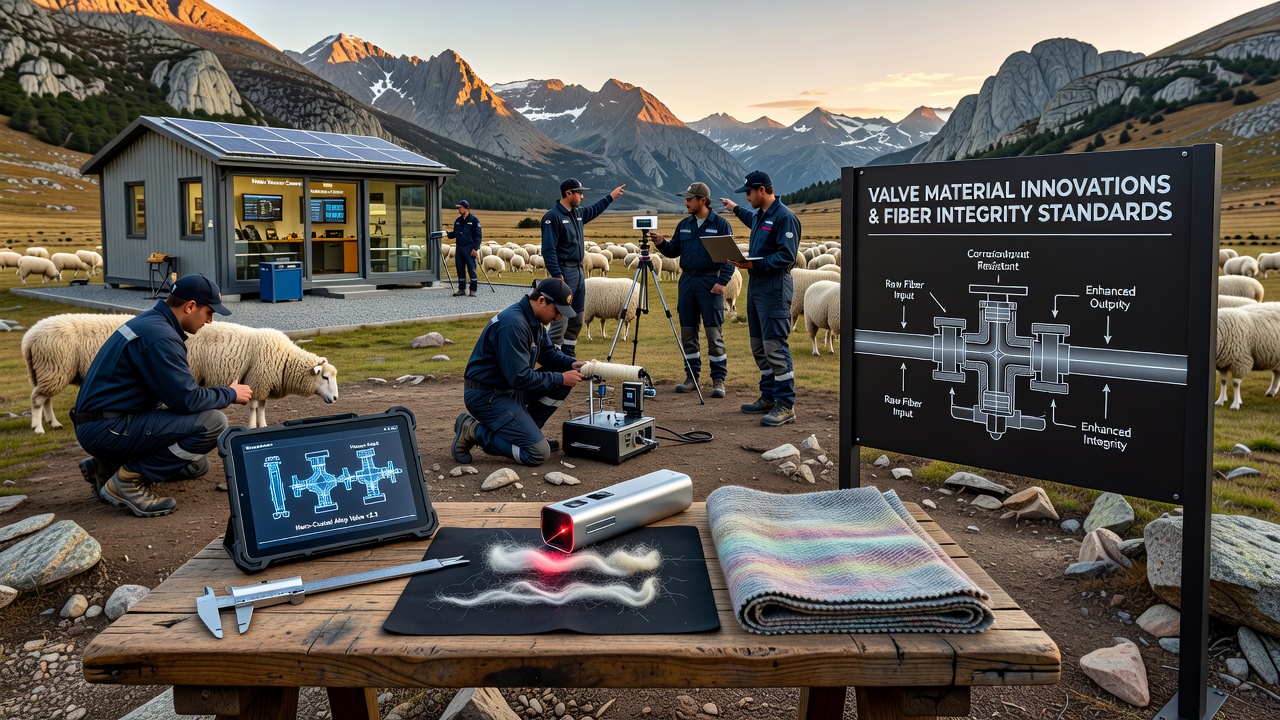
Calibration routines have evolved alongside material upgrades, incorporating ultrasonic thickness measurements and surface profilometry to verify ongoing compliance. Stations that implemented these checks report consistent fiber diameter retention rates, supporting downstream textile quality targets. European Union textile research initiatives have published comparative datasets confirming that valves meeting the new material thresholds contribute to lower defect rates in finished yarns, though implementation timelines vary by jurisdiction.
Operational Realities at High-Altitude Sites
Logistics in remote locations complicate material transitions because replacement parts must withstand transport over rough terrain and extended storage without degradation. Suppliers have responded with modular valve designs that allow selective replacement of wear components rather than full assemblies, reducing both cost and waste. In practice, crews at stations in the Himalayas have combined these modular units with solar-powered monitoring sensors that track pressure differentials and alert teams to early signs of material fatigue before fiber quality is affected.
Training programs developed by industry groups now include modules on material-specific handling procedures, ensuring technicians recognize signs of coating wear or alloy stress unique to each formulation. Data from 2025 audits shows improved compliance scores at facilities that completed such training, particularly in areas where October weather windows limit outdoor maintenance opportunities. Collaboration between equipment manufacturers and local cooperatives has produced region-specific guidance documents that address altitude-related pressure variations affecting valve performance.
Future Directions and Monitoring
Emerging sensor technologies embedded directly into valve bodies provide continuous data on material condition, feeding into centralized databases used by standards organizations for ongoing protocol refinement. Pilot programs underway in New Zealand high-country stations test biodegradable polymer options that maintain required durability while offering end-of-life environmental benefits. These trials build on earlier alloy work and are scheduled for expanded evaluation rounds beginning in late 2026.
Regulatory updates expected around that timeframe may formalize material traceability requirements across additional mountain collection zones, drawing on performance metrics already gathered in established programs. Continued monitoring through 2027 will clarify which material combinations deliver the most consistent fiber integrity results under the widest range of environmental stresses.
Conclusion
Valve material innovations continue to shape fiber integrity outcomes at remote mountain wool collection stations through measurable reductions in contamination and mechanical damage. Ongoing data collection and standard revisions ensure that equipment choices remain aligned with evolving quality benchmarks across diverse geographic regions.