Kai Friedrich · 23 November 2026
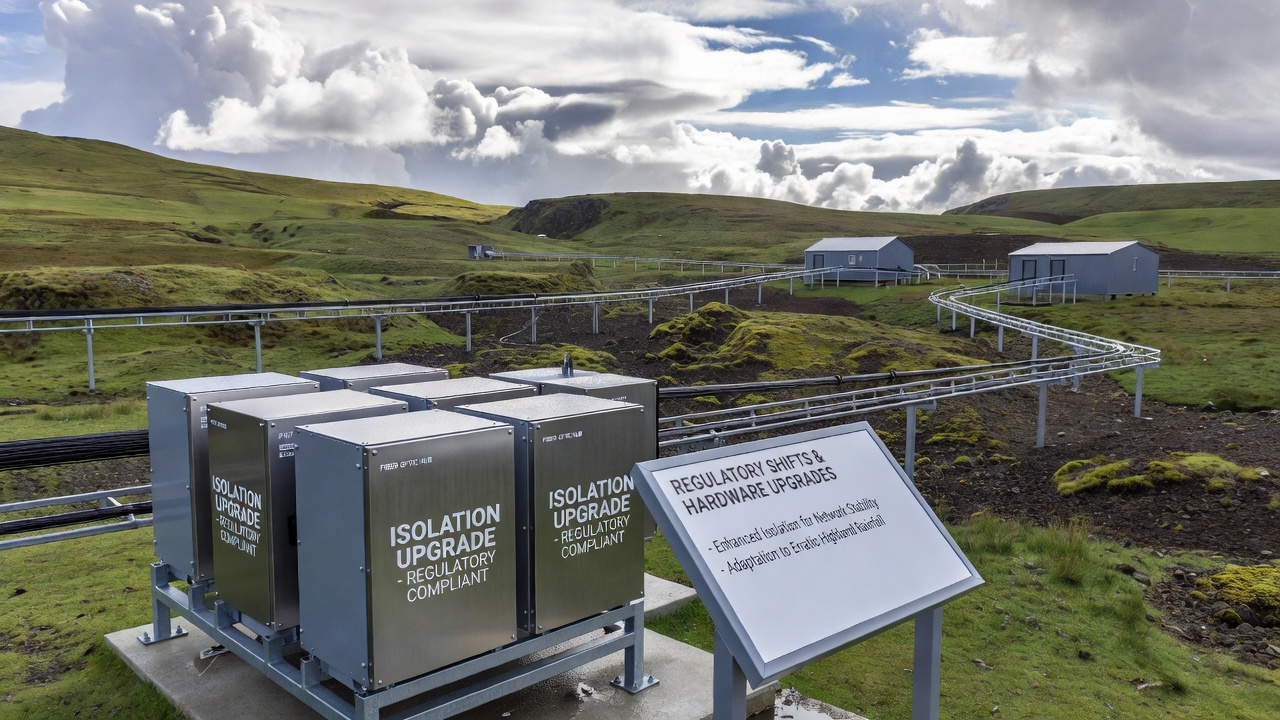
Regulatory shifts prompting upgrades in isolation hardware across cooperative highland fiber hubs facing erratic rainfall patterns
Regulatory changes across multiple regions have driven cooperative highland fiber hubs to accelerate upgrades in isolation hardware as operators respond to stricter environmental standards for moisture control and runoff management. Data from monitoring networks shows that erratic rainfall patterns have increased in frequency since 2020, with some highland zones recording 30 percent more intense precipitation events in single seasons compared to prior decades. These shifts intersect with new compliance requirements that take effect in November 2026, prompting facilities to replace older valve and seal assemblies with systems designed for variable moisture loads.
Regulatory Framework Updates
Agencies in different jurisdictions have introduced tighter specifications for water isolation in fiber processing operations. The European Environment Agency published guidelines in 2024 that mandate enhanced containment measures for processing centers located above 1,500 meters elevation, while Environment and Climate Change Canada released parallel standards focused on highland watersheds in British Columbia and Alberta. Observers note that these rules emphasize hardware capable of maintaining separation between fiber batches and external water sources during sudden downpours, with compliance deadlines aligned to November 2026 for full implementation.
Facilities must now document isolation performance under simulated rainfall conditions that exceed historical averages by 25 percent. This requirement has led cooperatives to evaluate hardware from manufacturers specializing in pressure-balanced valves and multi-layer barrier seals. Research conducted by the International Wool Textile Organisation indicates that upgraded components reduce cross-contamination incidents by measurable margins when rainfall variability exceeds established thresholds.
Effects of Erratic Rainfall on Operations
Highland fiber collection centers have recorded shifts in precipitation timing and intensity that affect daily processing schedules. Stations in the Andean highlands and parts of the Australian Alps report that rain events now cluster in shorter windows, creating spikes in moisture exposure that older isolation systems struggle to contain. Figures from regional meteorological services reveal that average storm duration has shortened while peak rainfall rates have risen, forcing operators to schedule maintenance and hardware replacements during narrower dry periods.
Cooperative hubs in these areas rely on shared infrastructure, which means upgrades must occur without disrupting collective throughput targets. Engineers at several sites have documented cases where legacy hardware allowed moisture migration during prolonged showers, leading to fiber quality deviations that required additional sorting steps. New isolation assemblies incorporate sensors that adjust seal tension automatically when humidity readings cross predefined limits, a feature that addresses the unpredictable nature of current weather patterns.
Hardware Upgrade Pathways
Cooperative managers have adopted phased replacement programs that prioritize critical isolation points first. Initial installations focus on inlet and diversion valves at collection stations, followed by integration of advanced barrier materials in scouring lines. Manufacturers have responded with modular designs that allow retrofitting without full line shutdowns, a practical consideration given the seasonal constraints of highland operations.
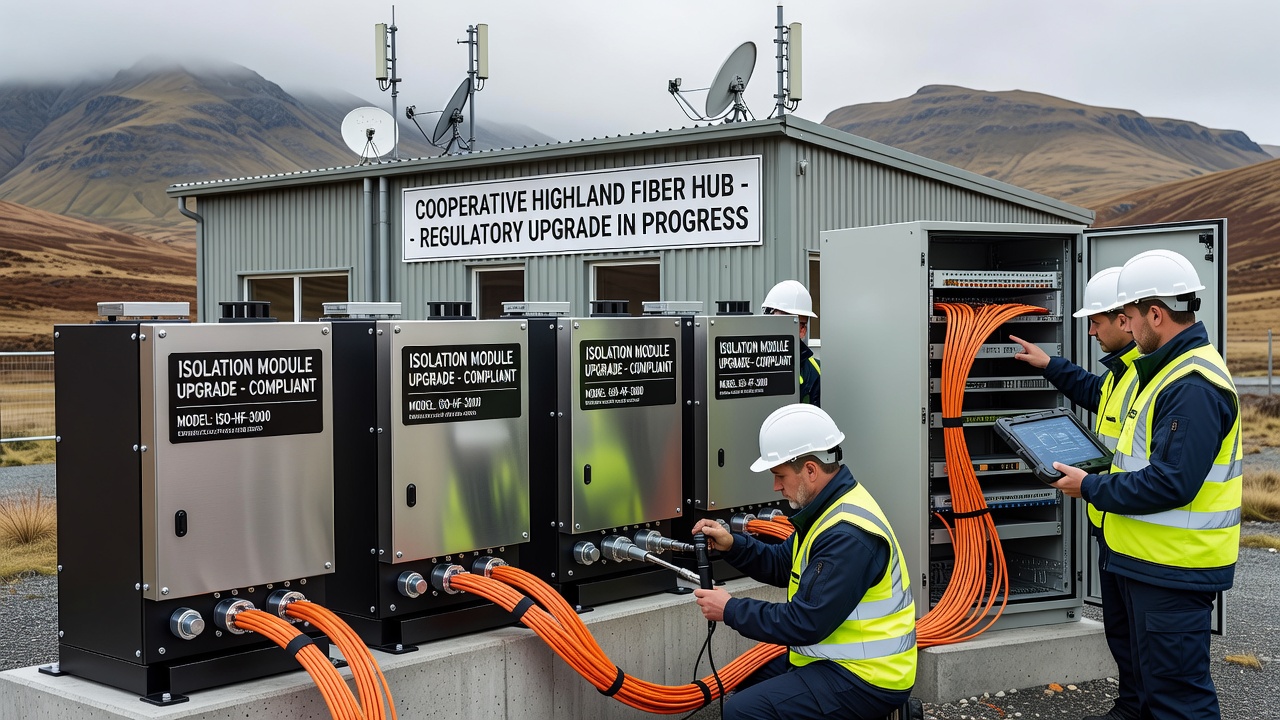
Performance data collected after early installations shows consistent improvements in maintaining batch separation under fluctuating conditions. One facility in a New Zealand highland region reported that post-upgrade isolation integrity held steady through three consecutive heavy rain periods in early 2025, whereas previous systems required manual intervention twice during similar events. These outcomes align with projections from academic studies at the University of Tasmania that modeled hardware response under increased rainfall variance scenarios.
Implementation Examples Across Regions
Cooperative groups in the Pacific Northwest of the United States began coordinated upgrades in late 2024, drawing on funding mechanisms tied to watershed protection programs administered by the U.S. Environmental Protection Agency. Similar initiatives in South African highland wool collection points have incorporated isolation hardware supplied by European vendors that meet both local and international specifications. Workers at these sites receive training on calibration procedures that account for rapid weather changes, ensuring the new components deliver expected performance when rainfall patterns deviate from forecasts.
Supply chain adjustments have accompanied the hardware transitions. Suppliers now stock spare seal kits rated for higher pressure differentials, and remote monitoring platforms allow cooperative technicians to track isolation metrics across multiple hubs from central locations. This connectivity supports compliance reporting ahead of the November 2026 milestones while also providing operational data that informs future refinements.
Conclusion
Regulatory updates combined with measurable changes in rainfall behavior continue to shape investment decisions at cooperative highland fiber hubs. Hardware upgrades centered on improved isolation components address both compliance needs and operational resilience, with implementation timelines converging on November 2026 across several jurisdictions. Continued monitoring by regional agencies and industry research bodies will provide further data on long-term outcomes as facilities adapt their systems to evolving environmental conditions.